Guides
What Vehicle Standards Apply to NEMT Providers in BC?
NEMT vehicle standards BC require a Passenger Transportation Board licence and ICBC commercial insurance, plus provincial, municipal and private rules.
What to take away
- BC's Passenger Transportation Board, not a U.S. state DOT, licenses non-emergency medical transportation providers.
- A Special Authorization and ICBC commercial insurance are required before carrying paying passengers.
- Vehicle standards come from the BC Motor Vehicle Act, municipal bylaws, and private facility contracts.
- Operating without the right licence or insurance can lead to fines and personal liability for collision damages.
Who has jurisdiction in BC
Three layers decide whether a non-emergency medical transportation vehicle can operate in British Columbia.
The provincial Passenger Transportation Board issues passenger transportation licences under the Passenger Transportation Act. The Board sets conditions on fleets, drivers, and service areas. The BC Motor Vehicle Act sets vehicle safety and equipment standards for all vehicles operating on provincial highways, including those used for non-emergency medical transportation.
Municipal governments add a second layer: Vancouver, Surrey, and Victoria require a business license, and they may restrict overnight parking or idling in residential zones.
Private rules also matter. Health authorities and long-term care homes often require a signed contract before a NEMT vehicle can enter their property. Those contracts may demand higher vehicle standards, such as wheelchair securement capacity or extra sanitation.
Three Layers of NEMT Rules
Provincial
- Who enforces
- PTB, CVSE
- Example rule
- PTB licence, inspection
- Applies to
- All NEMT vehicles
Municipal
- Who enforces
- City bylaw office
- Example rule
- Business licence, parking
- Applies to
- City limits
Private
- Who enforces
- Health authority, care home
- Example rule
- Signed contract, sanitation
- Applies to
- Facility property
| Layer | Who enforces | Example for an NEMT vehicle |
|---|---|---|
| Provincial | Passenger Transportation Board, Commercial Vehicle Safety and Enforcement | Passenger transportation licence, vehicle inspection |
| Municipal | City or district bylaw office | Business licence, parking and idling rules |
| Private | Health authority, facility operator | Contract terms on wheelchair securement, driver training |
What the province inspects
A vehicle used for non-emergency medical transportation must pass a provincial inspection before it carries a paying passenger. Inspectors work from the Motor Vehicle Act and its regulations, and they check the same core systems on every vehicle.
- Service brakes and the parking brake
- Steering, suspension, and wheel fasteners
- Tires and wheels
- Headlights, tail lights, brake lights, turn signals, and reflectors
- Windshield, wipers, and mirrors
- Exhaust system, seat belts, and seat mountings
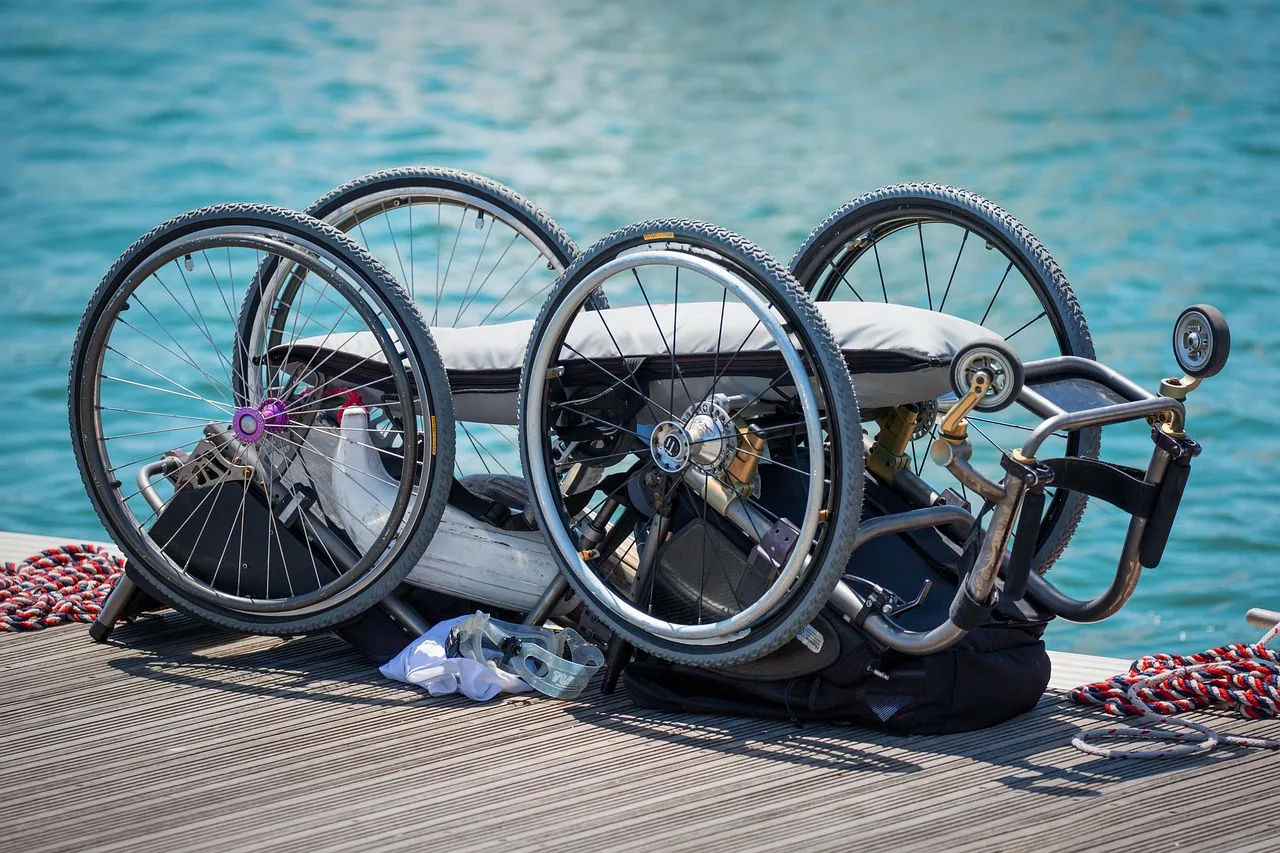
Wheelchair securement is a separate standard rather than a mechanical item. The tie-down and the occupant restraint in an accessible vehicle must meet CSA D409 or ISO 10542.
What triggers a passenger transportation licence
Not every medical ride needs a PTB licence.
A family member driving a relative to an appointment for free does not need one. A volunteer driver program may be exempt if no fare is charged. But the moment a vehicle carries a passenger for compensation, or under a contract with a health authority, the operator generally needs a Special Authorization: Passenger Directed Vehicles.
The trigger is commercial passenger service. If a senior, a person with a disability, or a patient pays for the trip, the operator is in the passenger transportation business. That applies to minivans, SUVs, or sedans.
The licence ties to the operator, not one vehicle. New vehicles must be added to the licence before use.
What to submit for a vehicle application
A PTB application for a passenger transportation licence asks for more than a business plan. For each vehicle, the applicant must show that the vehicle is registered, insured, and mechanically sound.
The following numbered steps outline the vehicle-specific portion of a new application.
- Record the make, model, year, VIN, licence plate, and licensed gross vehicle weight for each vehicle.
- Attach proof of ICBC commercial insurance for the declared passenger use.
- Attach a current inspection report from a BC designated inspection facility.
- For an accessible vehicle, attach written confirmation that the tie-down and occupant restraint meet CSA D409 or ISO 10542.
Vehicle Application Steps
- Register vehicle with ICBC
- Get commercial inspection if over 4,500 kg
- Provide ICBC commercial insurance proof
- List VIN, plate, seating capacity
Wheelchair securement is where applications most often fail. BC expects a four-point tie-down for the wheelchair and a separate occupant restraint for the passenger.
The World Health Organization on assistive technology frames securement as part of wheelchair provision. BC makes it a licence condition, with written confirmation that each fitted system was tested.
How long approval takes
Plan for at least six to eight weeks from a complete PTB application to a decision. If an existing taxi or ride-hail operator objects, the Board may schedule a hearing, which can add several months.
A vehicle inspection takes a day or two if the vehicle is ready. Once the passenger transportation licence is granted, the approved vehicles listed in the application may operate.
PTB Approval Timeline
- 6-8 weeksComplete application to decision
- Several monthsAdded if hearing scheduled
- 1-2 daysVehicle inspection if ready
An incomplete application is the most common delay. Missing proof of ICBC commercial insurance or a current vehicle inspection report stops the file until all documents arrive. For help reading those private facility agreements, see the guide on nemt contract terms.
What the licence and vehicle cost
The three costs are the Board's licence fee, ICBC commercial insurance, and the inspection. The Board publishes a fee schedule, and the application fee scales with the number of vehicles and the class of authorization, so the current schedule is the only firm figure.
ICBC prices a commercial policy by rate class, declared use, radius of operation, fleet size, and driver records. A designated inspection facility bills by the hour, and a light-duty inspection typically runs between $100 and $300.
What happens if you skip it
Skipping the passenger transportation licence is not a paperwork error. Commercial Vehicle Safety and Enforcement can issue fines and order the vehicle off the road. If a collision happens while transporting a paying passenger on a private passenger policy, ICBC can deny coverage for the trip.
ICBC does not extend private passenger coverage to commercial NEMT trips. If a vehicle is used for paid passenger transport without the right fleet insurance, the driver and owner may be personally responsible for third-party claims.
A municipal bylaw officer can also ticket an unlicensed business vehicle. Private facilities may refuse entry. The operator, not the driver alone, carries the financial risk.
Example: a BC NEMT start
A new operator in Surrey wants to transport dialysis patients to appointments on weekdays. The operator buys a used minivan and pays a commercial vehicle inspection facility to check brakes, tires, lights, and wheelchair tie-downs. The vehicle passes. The operator then submits the PTB application with the inspection report, ICBC commercial insurance certificate, and municipal business licence.
Because the minivan's licensed gross vehicle weight is under 4,500 kg, no National Safety Code number is needed. A van over 4,500 kg changes that: the operator needs an NSC number and must keep daily trip inspection reports and periodic maintenance records under NSC Standard 13.
The Board can add a condition requiring annual mechanical inspections. For vehicle and maintenance tracking, the NEMT vehicle maintenance log article lists the intervals owners should use.
Wheelchair-accessible vehicle rules are stricter when a van has a rear lift. Ensure the securement points are tested and labelled.
Common questions
Does a BC NEMT vehicle need a special licence plate?
No. A passenger transportation licence is a business authorization, not a vehicle plate. Vehicles use standard BC plates with ICBC commercial insurance.
What if a private policy covers volunteer drivers?
Volunteer programs may operate without a PTB licence if no fare is charged. Once compensation or a contract enters, the commercial rules apply, and the volunteer driver must be listed under the operator's insurance.
Can a vehicle cross into Alberta without a second licence?
BC's Passenger Transportation Act applies inside BC. Alberta has its own passenger transportation rules. An operator serving both provinces must meet each province's requirements.
Where can an owner find a broader compliance checklist?
For owner-level checks beyond vehicle items, see nemt quality control: the questions that matter.