Guides
NEMT Vehicle Maintenance Log: What to Track and When to Replace
An NEMT vehicle maintenance log tracks the items that ride-hail and personal vehicles never face. Here is what to record, by interval, and when to retire a van.
What to take away
- A first-month baseline carries six linesodometer, lift cycle test, securement anchorage torque, fluid levels, tire pressures, and a date with initials on each.
- Group the rest by interval. Monthly driver checks, a seasonal sheet and an annual sheet beat a binder filed by part.
- Federal rules under 49 CFR Part 396 require a dated file for each vehicle, kept six months after the vehicle leaves your control. Periodic inspection records run 14 months.
- Retire a van when annual maintenance plus downtime cost passes roughly 30 to 40 percent of its resale value. Treat that range as a working figure, not a standard.
What the maintenance file has to prove
A personal van needs an oil change and a registration. A vehicle for hire needs a dated file.
Under federal motor carrier rules, carriers must keep records of inspection, repair and maintenance for every vehicle they operate. Those records have to be readable and current.
Retention runs six months after a vehicle leaves your control. Periodic inspection records are kept 14 months. Many states extend both periods for for-hire vehicles, so use the longer one.
Wheelchair securement adds a second layer. FMVSS 571.222 sets the requirements for securement systems and anchorages. After an incident, an inspector or a plaintiff reads the securement system standard line by line. Log the date you check anchorages, straps and the lift interlock, because wheelchair securement rules by state set intervals that differ from one market to the next.
The first thirty days
A new or newly acquired van tells you what it needs in its first month. Log these before you trust it on a route.
- Odometer reading at purchase, then at every entry after it.
- Lift or ramp cycle test, timed with a load and without one.
- Securement anchorage torque, checked against the manufacturer figure.
- Fluid levelsengine oil, coolant, brake fluid and the lift hydraulic reservoir.
- Tire pressures at all four corners plus the spare.
- Date and initials on every line.
First 30-Day Baseline Checks
- Lift cycle count, hesitation, drift, noise
- Securement strap webbing, stitching, hooks
- Tire tread and pressure, all corners
- Fluid levels and first oil sample
- Brake feel under loaded vehicle
- Record odometer at every entry
A log without mileage cannot support a replacement decision later.
Seasonal work for heat and cold
Seasonal work is where regional operators win or lose. Run each list before the season starts, not during it.
Seasonal Maintenance by Season
Season
- Spring
- Undercarriage wash, brakes, AC
- Summer
- Cooling, tires, lift fluid
- Fall
- Battery, heater, wipers
- Winter
- Securement, seals, lift lube
Primary items
- Spring
- Salt keeps corroding
- Summer
- Heat shortens hydraulics
- Fall
- Cold failures start October
- Winter
- Ice jams tracks, rollers
Why it matters
- Spring
- Summer
- Fall
- Winter
Items
- Late spring
- Lift hydraulic fluid level and color, battery load test, coolant strength, tire pressures, A/C output
- Late autumn
- Battery load test, coolant freeze point, tire pressures, heater and defroster output, lift and door seals
Why it matters
- Late spring
- Heat thins hydraulic fluid and shortens battery life
- Late autumn
- Cold thickens fluid and exposes a weak battery
Operators in Phoenix run the heat list in March. The heat and scheduling tradeoffs in Phoenix explain why the summer interval starts earlier there than in most markets. Cold-weather fleets in the upper Midwest reverse it and work the winter list in September.
Annual items a state inspection may skip
Annual work covers what a state inspection checks and what it does not. Run both lists in one visit.
- Brake measurement: pad and drum thickness against the manufacturer wear limit.
- Lift load test at rated capacity, with the interlock verified.
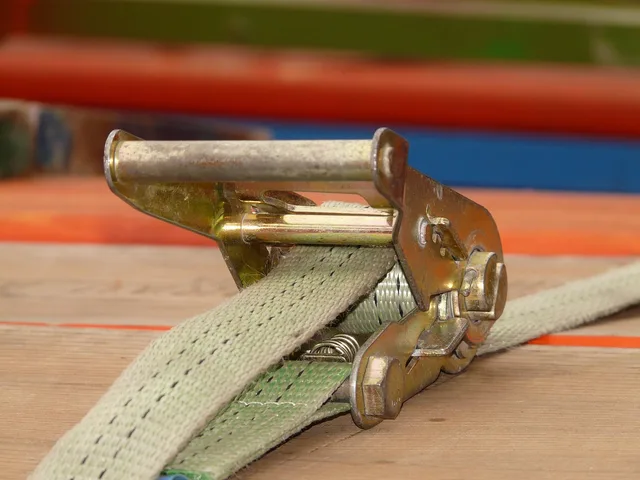
- Securement straps and anchorages inspected, with strap replacement on a calendar.
- State for-hire inspection certificate, where your state issues one.
- Items a state check often skipsundercarriage corrosion, emergency exit operation, fire extinguisher charge date, first aid kit contents.
Ambulance standards go further. NFPA 1917 covers maintenance and inspection requirements that medical transport vehicles can borrow where they apply.
Keep the signed inspection sheet in the same file as the log. A state certificate belongs beside it.
Parts with a calendar life
Some parts fail on time, not on mileage.
- Lift hydraulic fluid and sealsoften two to three years in daily service.
- Batteriesthree to five years typical, less in desert heat.
- Tiresreplace past six years from the date code, whatever the tread depth.
- Wheelchair tie-down straps: follow the manufacturer calendar, often three to five years, and replace after any crash.
Then the vehicle itself. A common working rule is to retire a van when annual maintenance plus downtime cost passes roughly 30 to 40 percent of its resale value. Treat that range as illustrative, not as an industry standard, and adjust it for your contract mix. Set the number before a breakdown, not during one.
Signs the van comes off the route
Symptoms point to causes more reliably than a schedule does. The quality control questions owners should ask belong with this table, because a driver who will not report a symptom is a bigger risk than a worn part.
| Symptom | Likely cause |
|---|---|
| Lift drifts down under load | Hydraulic seal failure or check valve |
| Straps fray at the hook | Anchor point burr or wrong strap rating |
| Vibration at highway speed | Tire separation or worn suspension bushing |
| Hard start when cold | Battery or glow plug, not the starter |
| Brake pedal soft after a long route | Fluid boil or a slow leak |
When a driver reports one of these, the van comes off the route until a mechanic clears it.