Guides
NEMT Equipment and Premises: A Small Fleet Framework
A planning framework for NEMT equipment and premises: fleet composition, base vehicle versus conversion, securement standards, and the gear that fails trips.
What to take away
- Fleet composition is the first NEMT equipment decision, and it is paid for daily. The mix of ambulatory, wheelchair and stretcher vehicles decides which work you can take next year.
- A wheelchair-accessible vehicle is a base vehicle plus a conversion. Treat those as two purchases with two lead times and two sets of questions.
- Securement is governed by the instructions of the people who made the equipment, together with your state program and your contract. Federal cargo rules cover freight and are not the reference here.
- Your premises exist to get vehicles out clean and on time. Anything else you rent is optional.
- The equipment that fails a trip is rarely the vehicle. It is a missing strap, a flat lift battery, a key nobody could find.
Owners buy vehicles the way they buy cars, one at a time and on the merits of the individual purchase. The right frame is different. You are assembling a small fleet whose composition determines what a dispatcher can promise, and every vehicle you add narrows or widens that in a way that lasts for years.
Composition before specification
Before comparing vehicles, decide what mix you need. Three questions settle it.
Which modes do you intend to sell, and in what proportion? A fleet that is all wheelchair-accessible can carry ambulatory passengers at a poor cost per trip. A fleet with one accessible vehicle can carry accessible work only as fast as that vehicle can move.
How much of your work repeats? Standing orders occupy the same hours every week. If those hours are covered by your only accessible vehicle, you have no accessible capacity for anything else at those times, which is a fact about the schedule rather than about the vehicle.
What happens when one vehicle is off the road? A two-vehicle fleet has a real answer. A one-vehicle fleet has a phone call to make. Decide which you are running and price the consequence honestly.
The service dimensions this composition has to serve are set out in the companion guide to NEMT services.
The vehicle types, and what each one asks of you
The vehicle types
Base
- Ambulatory
- Sedan or minivan
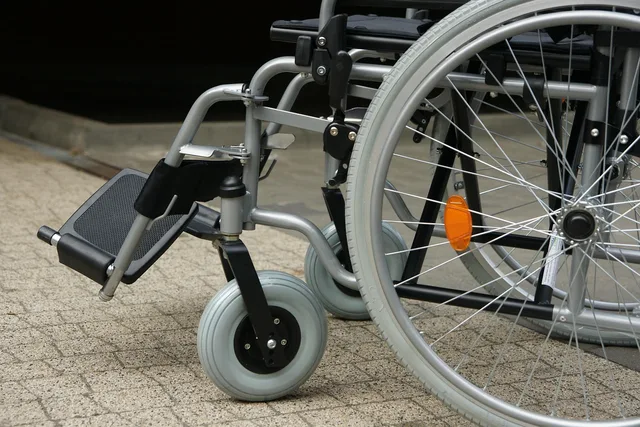
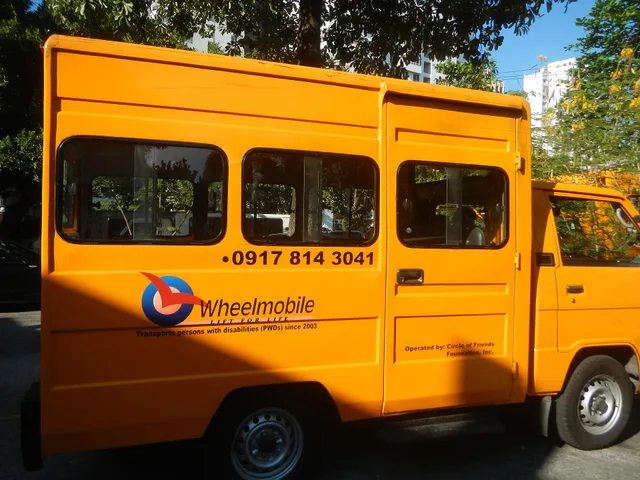
- Wheelchair, ramp
- Minivan
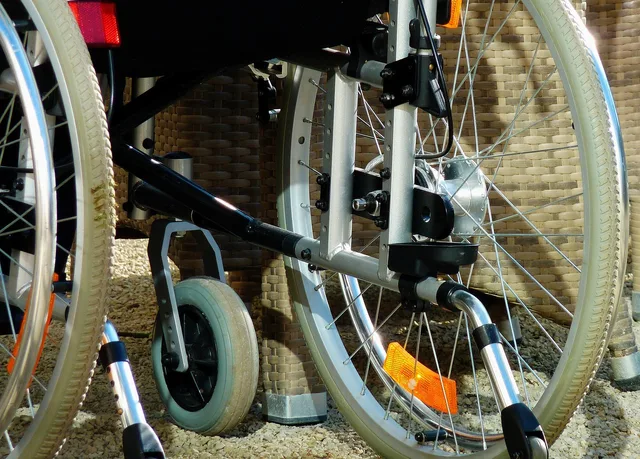
- Wheelchair, lift
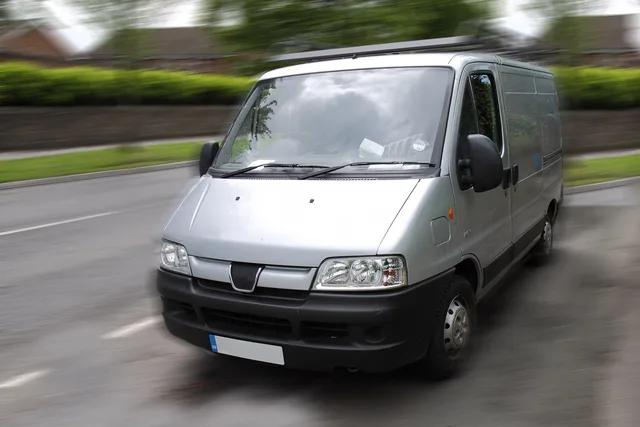
- Full-size van or cutaway
- Stretcher
- Van built for a cot
The conversion question
- Ambulatory
- None
- Wheelchair, ramp
- Floor lowering and ramp; ask about interior height and turning space
- Wheelchair, lift
- Lift type, power source, cycle time, service intervals
- Stretcher
- Cot mount, cot type, interior clearance
The operating consequence
- Ambulatory
- Lowest cost per trip, most competition
- Wheelchair, ramp
- Load time is set by the ramp slope and the doorway, not the vehicle
- Wheelchair, lift
- A lift is a machine with a maintenance schedule and a failure mode
- Stretcher
- Two-person crew for the whole occupancy
Buying the base vehicle first because it looked affordable, then discovering the conversion cost, is the single most common expensive mistake in this trade. Get the conversion quote and the conversion lead time before you commit to the base.
Vehicle Types and Conversion Costs
Ambulatory
- Base
- Sedan/minivan
- Conversion
- None
- Operating
- Lowest cost
Wheelchair Ramp
- Base
- Minivan
- Conversion
- Floor lowering
- Operating
- Ramp slope
Wheelchair Lift
- Base
- Full-size van
- Conversion
- Lift type
- Operating
- Maintenance schedule
Stretcher
- Base
- Cot van
- Conversion
- Cot mount
- Operating
- Two-person crew
Securement, and the standard that does not apply
There is a widespread and understandable error here, so it is worth stating plainly.
Securement Rules to Follow
- Tie-down system manufacturer's instructions
- Vehicle conversion manufacturer's instructions
- Wheelchair manufacturer's securement guidance
- State program requirements
- Payer or facility contract requirements
- Get all in writing, driver-accessible
The Federal Motor Carrier Safety Administration publishes cargo securement rules covering how freight is restrained on commercial vehicles. Those rules are about cargo. A passenger in a wheelchair is not cargo, and reasoning from a freight standard to a passenger restraint is how people end up with an arrangement that looks secure and is not.
What governs your securement is narrow and specific. On an accessible vehicle, the reference standards the hardware is built to are the ADA vehicle specifications at 49 CFR Part 38 and the federal motor vehicle safety standards for platform lifts, FMVSS 403 and 404. In daily use, follow the tie-down system manufacturer's instructions, the vehicle conversion manufacturer's instructions, and the wheelchair manufacturer's guidance on whether and where to secure it. Also meet your state program and payer or facility contract requirements.
Get all of it in writing. Keep it where a driver can reach.
If a wheelchair cannot be secured according to those instructions, that is a fact to raise with the booking party before the trip, not a judgment for a driver to make at the curb.
The premises question
Most new operations need less than they think.
The real requirements are somewhere to park securely, somewhere to clean vehicles properly, power for anything that charges, secure storage for equipment and for records, and a place a driver can start a shift without wandering. A yard with an outside tap and a locked cabinet meets that. An office does not, on its own.
Consider signing a lease only when parking, cleaning or storage is actually failing, and when the location shortens your first pickup of the day rather than lengthening it. The distance from your base to your first pickup is paid in empty miles every single morning.
Driver safety is an equipment decision
In a small operation, the driver is also the person lifting, pushing a chair up a slope, and maneuvering a cot. Injuries in this trade are ordinary and preventable, and the prevention is mostly equipment and method rather than exhortation.
That means ramps at a manageable slope and chair handling aids where they help. A stairs policy should state what a driver may and may not attempt alone. Equipment must be maintained so a lift does not have to be forced.
Building this as a program rather than a set of reminders is the subject of the Occupational Safety and Health Administration's material on safety management. It is written for exactly this size of business.
The small equipment that fails trips
Vehicles rarely strand a trip. Small things do.
- The securement straps that are in the other vehicle
- The lift battery nobody charged overnight
- The ramp that needs two hands and a knack
- Cleaning supplies for the mess nobody plans for
- A phone charger, because dispatch is on the phone
- The spare key, and a rule about where it lives
Keep a duplicate set per vehicle rather than a shared pool. A shared pool is a system that works until two vehicles are out at once, which is every day.
Maintenance as capacity, not as cost
An out-of-service vehicle does not just cost a repair bill. It cancels bookings that are attached to appointment times, and in this trade a canceled dialysis run is a clinical inconvenience for somebody and a reputational event for you.
Schedule preventive work when your schedule is naturally thin, not when something fails. Track the conversion equipment separately from the vehicle, because a lift and a ramp have their own service intervals and failure history.
Keep the maintenance record in a form you could hand to a payer or an insurer. That matches the Internal Revenue Service guidance on business records for anything supporting a business expense.
Confirming what your program requires
Vehicle standards, inspection requirements, and equipment conditions for this work are set by your state, its Medicaid program, the broker administering trips, and often the facility you contract with.
Illinois Medicaid's new provider checklist for transportation providers is one concrete version of that pattern: to continue enrollment as a nonemergency transportation provider, any checked items must be returned within thirty business days, and among the vehicle documents it requires are current registration including the VIN, current insurance coverage for all vehicles and drivers, a valid lease agreement for any vehicle not owned by the provider, and appropriate plate licensure for each vehicle.
The Centers for Medicare and Medicaid Services page on non-emergency medical transportation explains the benefit is delivered through state systems. That is why no national specification exists to buy against.
Ask before you buy. A vehicle that meets a requirement you invented is an expensive way to learn what the requirement was. The wider sequence this fits into is set out in the guide to starting an NEMT business in this trade.
Common questions
Ramp or lift?
Ramps are simpler, cheaper and have fewer things to break; they need a manageable slope and a driver willing to push. Lifts handle heavier chairs and steeper situations and introduce a machine with a maintenance schedule. Decide on the chairs and the addresses you actually serve.
Should my first vehicle be accessible?
If you intend to do accessible work at all, yes, because it can also carry ambulatory passengers while the reverse is not true. The cost is a worse cost per ambulatory trip, which is a real price for flexibility.
How much spare capacity should a small fleet carry?
Enough that one breakdown does not cancel a standing order. For most one-vehicle operations that means an arrangement with another operator, agreed in advance rather than found on the morning.
Do I need a garage?
Only if weather is stopping you from starting on time or is damaging equipment. Secure parking, a way to clean, and locked storage cover most of what a garage is imagined to provide.