Guides
New versus used NEMT equipment, compared by cost per available day
New and used NEMT vehicles compared on cost per available day, with the wheelchair van conversion priced as a separate asset that ages on its own clock.
What to take away
- Cost per available day is (P + C + M x Y - R) divided by (N x Y). N sits in the denominator, so a vehicle that sits out more days gets worse as it gets cheaper.
- A used accessible van is two purchasesthe base vehicle and the conversion. Inspect them separately and price them separately.
- A conversion outlives the van it was bolted into. A five-year-old chassis with a fifteen-year-old lift is a fifteen-year-old asset.
- A new side entry on a minivan, a BraunAbility or VMI job on a Chrysler Pacifica or Toyota Sienna, typically totals 60,000 to 75,000 as of 2026. A six-year-old equivalent with 95,000 miles typically lists at 25,000 to 40,000.
- Used works for the base vehicle when you can read a real service history and you run a second vehicle. Used rarely works for straps, restraints and lift hardware.
- Price the canceled trip, not the repair. A clinic that arranges alternatives twice may not call a third time.
New versus used NEMT equipment comes down to one number, and it is not the sticker price. The argument usually starts on the purchase price, which is the one number that does not settle it. What settles it is how many days a year the vehicle can carry passengers, and what a lost day costs you.
The comparison that works
Reduce both options to one figure: cost per available vehicle day over the years you expect to keep the asset.
Cost per available day inputs
- Ppurchase price with delivery, taxes, fees
- Cconversion cost, or zero if converted
- Navailable days per year after service and repair
- Yyears you expect to keep it
- M, maintenance and repair cost per year
- R, what you expect to recover at the end
Cost per available day is (P + C + M x Y - R) divided by (N x Y).
The arithmetic is not about precision. N enters the denominator, so a vehicle that loses days to the shop gets worse as its sticker price falls. Informal comparisons drop N and then wonder why the cheap van cost more.
C is the widest line of the three. A BraunAbility or VMI side entry with a lowered floor typically adds 18,000 to 30,000 to a new minivan.
A rear-entry conversion typically adds 6,000 to 15,000. A commercial wheelchair lift from BraunAbility, Ricon or Maxon typically runs 6,000 to 12,000 installed on a cutaway chassis.
Securement is priced by wheelchair position. A four-point system from Q'Straint or Sure-Lok, two retractors plus belts and anchors, typically runs 800 to 1,500 installed.
Ford, Toyota, Honda and Stellantis mobility programs pay 500 to 1,000 toward adaptive equipment installed on a new vehicle. A used van does not qualify, which narrows the gap on the new side.
A worked comparison
Two candidates, both eight-passenger accessible vans, both kept four years. Substitute your own quotes; the figures below are illustrative.
New, converted
- P, purchase
- 52,000
- C, conversion
- 18,000
- M per year
- 1,800
- Y, years kept
- 4
- R, resale
- 30,000
- N, available days per year
- 300
- Cost per available day
- 46.50
Used, converted
- P, purchase
- 26,000
- C, conversion
- 0, already converted
- M per year
- 4,600
- Y, years kept
- 4
- R, resale
- 7,000
- N, available days per year
- 250
- Cost per available day
- 47.60
The used van is half the money and still loses, because it gives up fifty available days a year. Drop its N to 230 and the figure goes to 51.70. Raise the new van's M to 3,000 and it lands at 51.50.
Now run typical 2026 market prices through the same formula for two named vans: a new BraunAbility side entry on a Chrysler Pacifica, and a 2019 VMI side entry on a Toyota Sienna with 95,000 miles.
New 2026 Pacifica, BraunAbility side entry
- P, purchase
- 40,000
- C, conversion
- 28,000
- M per year
- 1,500
- Y, years kept
- 4
- R, resale
- 32,000
- N, available days per year
- 300
- Cost per available day
- 35.00
Used 2019 Sienna, VMI side entry, 95,000 miles
- P, purchase
- 28,000, conversion included
- C, conversion
- 0
- M per year
- 4,600
- Y, years kept
- 4
- R, resale
- 7,500
- N, available days per year
- 250
- Cost per available day
- 38.90
For the new van: 40,000 plus 28,000 plus four years of 1,500, minus 32,000, over 1,200 available days, is 35.00. For the used one: 28,000 plus four years of 4,600, minus 7,500, over 1,000 days, is 38.90.
The new van costs 40,000 more at purchase and 3.90 less for every day it can work. The used van needs its N to hold at 250, and age is what pushes it below that.
Cut its available days to 230 and it lands at 42.28. Raise the new van's maintenance to 3,000 a year and it lands at 40.00, and the used van wins.
Run the same table with your own numbers before you decide anything. The result flips on N, and N is the figure nobody quotes.
Estimating N honestly
N is the number people guess, and it decides the answer.
Estimating N honestly
- New vehicleplanned servicing and conversion equipment schedule
- Used vehicleadds days lost to age-related failures
- Ask an independent mechanic who has seen the model
- Read a maintenance record, if one exists
- Ask other operators running the same conversion
A new vehicle loses days to planned servicing and to the conversion equipment's own service schedule. A used one adds the days lost to failures that come with its age and history.
A listing will not tell you that. An independent mechanic who has seen the model will. So will a maintenance record, if one exists, and other operators running the same conversion.
Planned service on new equipment is light: oil, brakes and tires on the chassis, plus an annual service on the ramp or lift. BraunAbility and Ricon both publish a service interval by model, and the model is on the serial plate on the unit.
Information is cheap next to the vehicle. NMEDA, the National Mobility Equipment Dealers Association, lists dealers who service and inspect conversions, and a pre-purchase inspection from one of them typically costs 150 to 400.
If you cannot estimate N for a used candidate with confidence, that uncertainty is the answer for a single-vehicle operation. A bad N there means canceled standing orders, not a late delivery.
Two ages, not one
| Component | What to check | Why it outranks mileage |
|---|---|---|
| Base vehicle (Ford Transit, Ram ProMaster, Toyota Sienna, Chrysler Pacifica) | Service history, rust, transmission, prior duty cycle | A former high-cycle vehicle has aged faster than the odometer says |
| Conversion structure | Floor work, fasteners, corrosion around the cut | Structural repair is expensive and rarely worth doing on an old chassis |
| Lift or ramp (BraunAbility, Ricon, Maxon) | Cycle count if known, service record, condition under load | A lift is a machine with its own life, often shorter than the van's |
| Securement system (Q'Straint or Sure-Lok retractors) | Age, wear, whether the maker still supports it | Wear items that hold a person are the wrong place to economize |
A used accessible vehicle is two purchases with two histories. Price them separately and inspect them separately. The conversion side is set out in the vehicles and premises guide; the smaller gear that comes with it is covered in the equipment list for a new operation.
Two ages, not one
What to check
- Base vehicle
- Service history, rust, transmission
- Conversion structure
- Floor work, fasteners, corrosion at cut
- Lift or ramp
- Cycle count, service record, load condition
- Securement system
- Age, wear, maker support
Why it outranks mileage
- Base vehicle
- High-cycle vehicle aged faster than odometer
- Conversion structure
- Structural repair rarely worth it on old chassis
- Lift or ramp
- Machine with its own life, often shorter
- Securement system
- Wear items holding a person
What used is good for
Used works for the base vehicle when you can see a real service history and the model is common enough that parts and mechanics are easy to find. It also needs a second vehicle, so downtime is survivable rather than fatal.
A used Ford E-450 cutaway with a Champion, Glaval or ElDorado National body typically lists between 25,000 and 60,000 at three to eight years old. A used minivan conversion with 95,000 miles typically lists between 25,000 and 40,000.
Used rarely works for the components that restrain a passenger. Straps and restraints carry a service life set by the manufacturer, and a used set arrives with an unknown history. Q'Straint and Sure-Lok publish inspection and replacement guidance for their belt and retractor lines, and the manual shipped with the equipment is the version that applies.
Confirm what is acceptable against the manufacturer's instructions, your insurer, and your state program. The CMS page on the transportation benefit is the reminder that those conditions are set by your state, not nationally. Who sets yours is covered in the licensing and compliance guide.
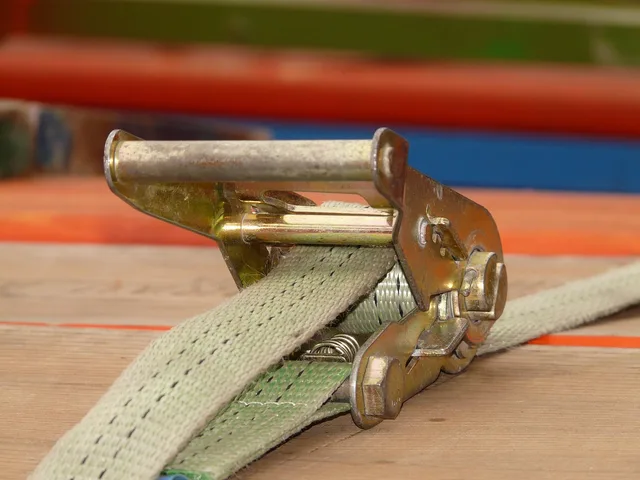
One standard gets quoted here and does not apply. The federal cargo securement rules govern freight restraint, not passenger restraint. A used securement setup justified by reference to them has not been justified.
Price the downtime consequence
Put a number on a lost day before you choose. Not the repair invoice: the canceled work.
A standing order that repeats three times a week is a relationship as well as a booking. A clinic that has to arrange alternatives twice may not call a third time. That risk stays out of the spreadsheet unless you put it there.
One method: estimate revenue from a typical day, then ask how many lost days it would take for a key account to look elsewhere. Treat that as the real ceiling on N.
Take a dialysis run that pays 45 a trip and repeats three times a week. That is about 7,000 a year from one account, and six missed trips is 270 in billed work plus a week of scrambling for the clinic.
The cost that arrives with age
Older equipment demands more of the person operating it. A ramp that needs a knack, a lift that must be coaxed, a door that sticks, all convert into physical effort by a driver who is also the lifter. That is an injury exposure and it belongs in the comparison, not in a footnote.
Handling it as a program rather than as individual carefulness is what the OSHA safety management guidance sets out. The crew side belongs with the hiring and training material.
Whichever way you go, record the purchase, the inspections and the maintenance where you can produce them later. An insurer will ask after an incident and a buyer will ask at sale. Keeping that alongside your trip records is covered in the finance and dispatch systems.
Common questions
Is a used converted van cheaper than converting a used base vehicle myself?
Sometimes, and the comparison has to include lead time. A conversion queue is weeks of fixed cost with no revenue, which belongs in the arithmetic as surely as the invoice does. A new conversion order typically takes six to sixteen weeks, depending on the dealer and chassis availability.
How do I inspect a lift if I know nothing about lifts?
Pay somebody who does. An inspection by a technician who services that equipment costs 150 to 400, a small fraction of the purchase, and it is the part of this process that most reliably pays for itself.
Does buying new get me better contract terms?
Vehicle age conditions, where they exist, come from your state program, its broker or your contract. Ask them directly rather than assuming new is required or that used is accepted.
What if I cannot afford new and cannot survive downtime?
Then the decision is about a second vehicle or a standing arrangement with another operator, not about the age of the first one.