
Guides
How Phoenix heat affects NEMT vehicle choices and scheduling
Phoenix heat forces NEMT operators to spec cooling capacity, shorten maintenance cycles, and move trips out of the brutal 2 p.m. to 6 p.m. window.
What to take away
- A van spec'd for a mild climate fails in Phoenixlight paint, rear auxiliary air, and ceramic tint are baseline, not upgrades.
- Heat shortens every fluid and battery interval, so Phoenix fleets run severe-duty maintenance schedules from May through September.
- Peak heat runs 2 p.m. to 6 p.m.; fixed dialysis and treatment times force pre-cooling and indoor waits instead of moving the trip.
- OSHA's general duty clause covers heat. Water, rest, shade, acclimatization, and a written plan are the floor, not a courtesy.
- A failed air conditioner on a trip with a heat-sensitive patient is a 911 call, not a comfort complaint.
Why a mild-climate van spec fails here
Phoenix runs above 100F most days from May through September. Pavement can hit 150F. The vehicle stops being transport and starts being the patient's environment.
Paint and glass decide how hard the air conditioner works. White or light silver reflects solar load; dark paint absorbs it. Ceramic tint on side and rear glass cuts radiant heat without blocking the driver's view.
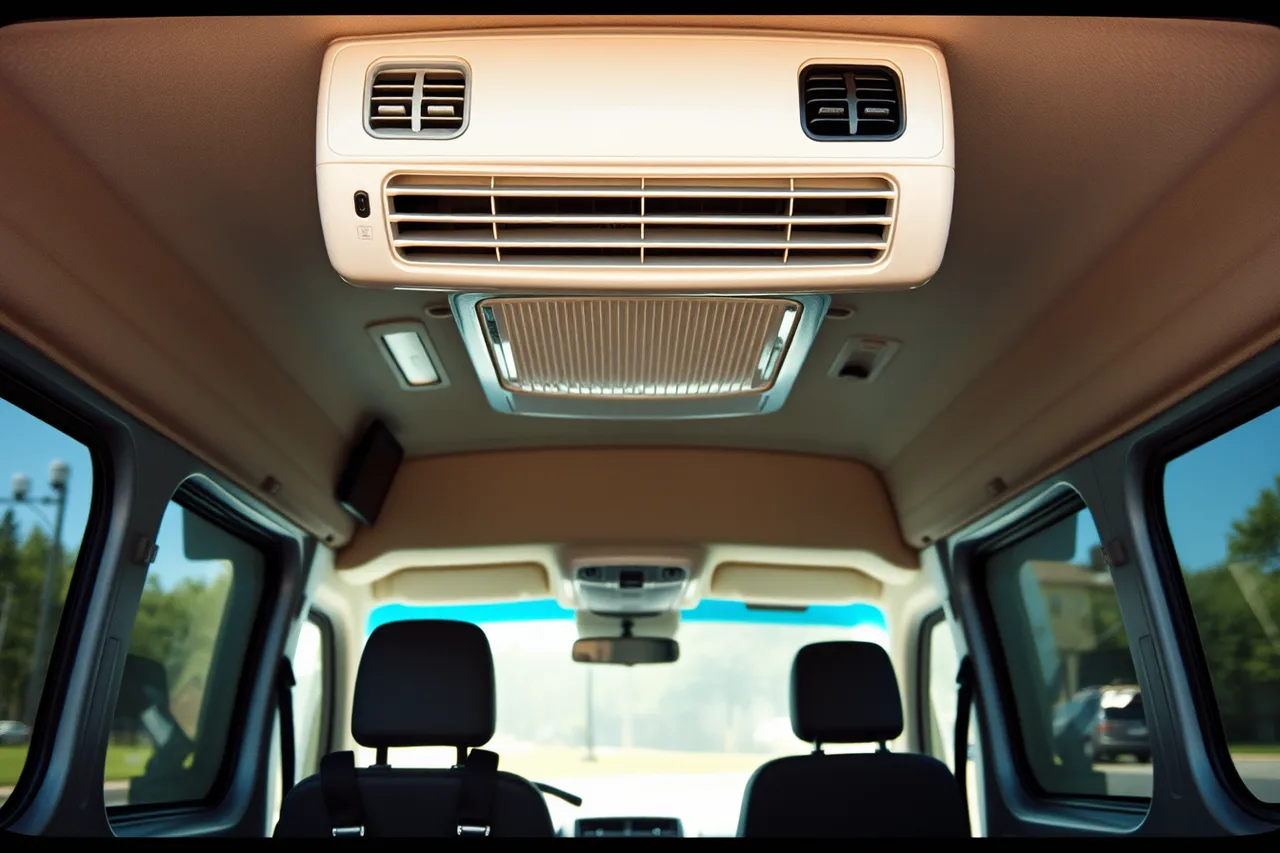
Cooling capacity is the specification that separates a Phoenix van from a national fleet order. A single front evaporator cannot hold the rear patient compartment at temperature when outside air is 115F. Wheelchair vans commonly carry dual-zone or rear auxiliary units for that reason.
Batteries age faster in heat than in cold. Spec an absorbed glass mat or lithium unit with a high temperature rating, and size the alternator for the cooling load plus any onboard medical equipment.
Tires need a higher speed and load rating, and a pressure monitoring system. Soft summer asphalt plus underinflation is how blowouts happen. The facility and equipment guide covers the rest of the build list.
Maintenance intervals that heat shortens
Phoenix operators run severe-duty schedules, not the national average. Heat breaks down oil, coolant, and transmission fluid faster.
Move oil changes to 3,000 to 5,000 miles. Check coolant monthly. Test batteries every six months. Inspect hoses, belts, and the radiator cap weekly, and pressure-test the cooling system before June to catch small leaks.
Air conditioning service is a safety item, not a comfort item. A system that blows 60F in April may blow 75F in July. Check refrigerant charge and compressor condition before the hot season starts.
Check tire pressure in the morning, before the sun heats the pavement, and replace any tire under 4/32 inch tread. Heat also wears brake pads faster in stop-and-go Valley traffic.
Write a breakdown protocol. If a vehicle loses cooling or air conditioning, the driver pulls into shade, calls dispatch, and arranges a replacement. Patients never wait in a hot vehicle. The NEMT equipment checklist lists what stays on board.
Scheduling around the 2 p.m. to 6 p.m. window
Peak heat in Phoenix runs 2 p.m. to 6 p.m. from June through September. Non-urgent trips belong in early morning or after sunset.
Dialysis and cancer treatment schedules fix appointment times, so the trip cannot move. Schedule pickup so the patient arrives 15 minutes early and waits inside the facility. Never hold a patient in a hot van while the driver finishes paperwork.
Cluster trips by facility and zip code. A route that crosses the Valley multiple times adds exposure for every passenger. To schedule NEMT routes that cut heat exposure, use a routing tool that accounts for time of day.
Match driver shifts to the heat curve. Start outdoor-heavy shifts at 5 a.m. or 6 a.m. and end by 1 p.m. A second shift can run from 5 p.m. into the evening. Split shifts cut continuous exposure.
Dispatch watches National Weather Service advisories. On an excessive heat warning, activate the heat plan: cut trip volume, add cooling breaks, and check on drivers by radio or phone.
Protecting patients and drivers on the same trip
NEMT patients often carry conditions that make heat dangerous: heart disease, diabetes, mobility limits, and medications that impair sweating. Drivers face the same heat plus physical exertion from wheelchair loading.
Steps before every summer trip:
Protecting patients and drivers
- Pre-cool the vehicle for 10 minutes before the patient boards.
- Confirm air reaches the rear patient area, not just the front.
- Load at least one gallon of water per person per shift.
- Check on the patient every 15 minutes during the ride.
- Park in shade or use a reflective windshield cover at every stop.
Watch for heavy sweating, weakness, dizziness, nausea, and muscle cramps. Confusion or stopped sweating means heat stroke. Call 911.
Morning checklist:
- Air conditioning blows cold within 5 minutes.
- Cooler stocked with water and electrolyte drinks.
- Coolant and oil levels checked.
- Tire pressure checked cold.
- Dispatch and emergency numbers visible.
- Heat illness symptom card in the glove box.
- Shade cover and extra towels on board.
What OSHA expects from an NEMT employer
OSHA has no heat standard aimed at NEMT, but the general duty clause applies. Employers must provide a workplace free from recognized hazards, and extreme heat in Phoenix is recognized. The agency's heat overview explains how to build a prevention program for indoor and outdoor work.
That guidance translates directly. Provide water, rest, and shade. Train drivers and attendants to recognize symptoms. Acclimatize new hires by easing them into summer shifts. Keep an emergency plan for heat illness.
Workers have rights too. Under the Occupational Safety and Health Act, employees can report unsafe heat conditions without retaliation. The worker rights and protections page explains how to file and what protections apply. Post it in the break room.
Light-colored, loose clothing, hats, and cooling towels reduce heat stress. The personal protective equipment overview covers selecting and using PPE for heat, which for NEMT means sun protection for drivers who load wheelchairs.
Document the plan. Written procedures, training records, and incident logs show good faith. The NEMT operations guide covers the rest of a compliant workflow.
Common questions
Does Phoenix heat really change NEMT vehicle specifications?
Yes. Light paint, rear auxiliary air conditioning, high-temperature batteries, and tire pressure monitoring are common Phoenix specs. A van ordered for a mild climate will overheat and break down under regular summer use.
How often should NEMT vehicles be serviced in Phoenix?
Use severe-duty intervals. Oil every 3,000 to 5,000 miles. Check coolant and air conditioning monthly in summer. Test the battery every six months. Do a cooling system pressure test before June. Heat degrades fluids and batteries faster than cold does.
What are the best hours for NEMT trips in Phoenix summer?
Early morning and evening. Avoid 2 p.m. to 6 p.m. where the trip allows it. For fixed appointments, pre-cool the vehicle, keep the patient inside the facility until pickup, and confirm air reaches the rear compartment.
What does OSHA require for NEMT drivers in extreme heat?
OSHA expects employers to provide water, rest, shade, training, and an emergency plan under the general duty clause. Workers may report heat hazards without retaliation. Confirm current guidance at osha.gov/heat before writing your plan.