Guides
How winter weather in the Midwest reshapes NEMT routing and fleet plans
Midwest winter stretches every NEMT trip, drains batteries and fuel budgets, and raises no-shows, so routes need buffers built before the pickup.
What to take away
- Buffer time belongs before the pickup, not after the drop-off, or the return trip runs late too.
- Every regular patient needs a written storm route with fewer stops and a smaller geographic footprint.
- A battery that starts at 40 degrees Fahrenheit can fail at zero, so test and replace in the fall.
- Winter fuel economy can fall from about 14 miles per gallon to 11 or 12, and idle time is the controllable part.
- No-show reasons recorded by address and weather threshold turn into earlier calls and longer wait windows next season.
How Midwest winter changes NEMT trip times
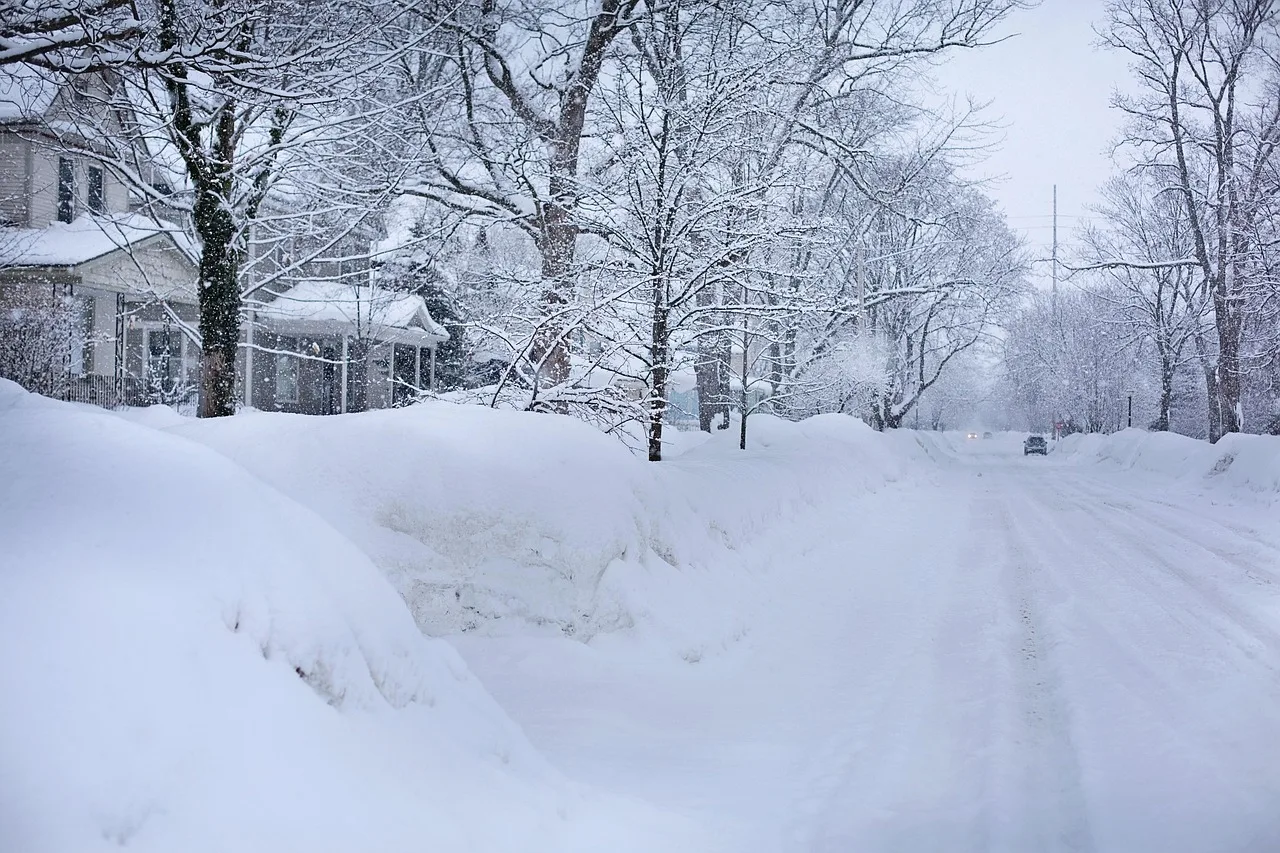
Snow and ice hit the first and last mile hardest. Residential streets go unplowed longer than arterials, so a 12-mile dialysis run that takes 28 minutes on dry pavement can take 45 to 55 minutes after a six-inch snowfall, even with clear highways.
Winter vs Dry Trip Times
Dry pavement
- 12-mile dialysis run
- 28 min
- Boarding time
- Normal
- Fuel/charge stop
- Not needed
After 6-inch snow
- 12-mile dialysis run
- 45-55 min
- Boarding time
- +5-8 min
- Fuel/charge stop
- Mid-day block
Cold slows boarding on its own. A patient with a walker needs more time on icy steps, and a driver wearing gloves takes longer to secure a wheelchair. Five to eight minutes per pickup compresses a day fast.
Propane and battery-electric vans lose range in cold. A route that works in October may need a mid-day charge or fuel stop in January, and that stop is a schedule block, not free time.
NOAA weather information carries the timing on winter storm warnings, which is the trigger many dispatchers use to switch to a storm plan. Facilities run late in storms too: a clinic opening at 8 a.m. may not call its first patient back until 8:40, and the van waits.
Add a percentage buffer to every leg rather than a flat number of minutes. A short urban trip needs less than a long rural run, but neither needs zero. When you schedule NEMT routes backward from the appointment time, that buffer sits before the pickup.
Snow and ice routing in Illinois and Ohio
Illinois and Ohio sit in the path of clippers, panhandle hooks, and lake-effect bands, and each storm type hits a different part of each state. Chicago gets lake-effect snow and heavy traffic. Central and southern Illinois get ice storms that close rural two-lane roads, so a dispatcher in Peoria cannot run the Cook County plan.
Illinois vs Ohio Winter Risks
Illinois
- Lake-effect
- Chicago
- Ice storms
- Central/southern
- Rural roads
- County/township
- Road info
- IDOT
Ohio
- Lake-effect
- East of Cleveland
- Ice storms
- Columbus/Cincinnati
- Rural roads
- County/township
- Road info
- ODOT
Ohio splits the same way. The snow belt east of Cleveland can take feet of lake-effect snow in one event, while Columbus and Cincinnati deal more with freeze-thaw ice. That difference decides which vehicles can safely run.
Rural routes in both states depend on county and township plowing, which follows its own schedule. A road that looks clear on a state map may be impassable at 6 a.m., and local road knowledge is a routing asset.
IDOT and ODOT publish road condition maps and winter travel advisories; dispatchers should have those pages open on storm days and treat them as a go or no-go input.
Illinois and Ohio providers also answer to state Medicaid rules and to brokers managing transportation benefits. Storm-day cancellations and late trips still get documented like any other trip.
Build two tiers for every regular patient. Tier one is the normal route. Tier two is the storm route: fewer stops, more time, shorter footprint.
Know who can be rescheduled, who cannot, and who has a neighbor or family member who can help. The decision to run or cancel belongs to a named person with the authority to cancel and the duty to document it.
A well-run NEMT operations plan treats winter as a recurring event, and the storm route is written before the first flake.
Cold-weather fleet prep that prevents a Monday breakdown
Cold finds every weak battery, worn tire, and tired wiper. Test batteries in the fall and replace anything marginal, because a battery that starts at 40 degrees Fahrenheit may fail at zero.
Cold-Weather Fleet Prep Checklist
- Test and replace marginal batteries
- Upgrade to three-peak-mountain-snow tires
- Check coolant, washer fluid, oil viscosity
- Install block heater or battery blanket
- Inspect heaters and defrosters
- Lubricate wheelchair lifts and ramps
- Stock blanket, flashlight, gloves, scraper, shovel, charger
Tires matter more than most operators admit. All-season rubber loses grip as temperatures drop, and three-peak-mountain-snow-rated tires are a real upgrade on a van carrying wheelchair users.
Check coolant strength, below-zero washer fluid, and oil viscosity. A block heater or battery blanket is cheap insurance for vans parked outside overnight. Have heaters and defrosters checked before winter, not during the first cold snap, because a van with a weak heater is a van patients refuse to board.
Wheelchair lifts and ramps need cold-weather lubrication and inspection. Ice and road salt work into the mechanisms, and a lift that fails at the curb strands a patient in the cold.
Every vehicle should carry a few essentials:
Cold-weather fleet prep
- blanket
- flashlight
- extra gloves
- ice scraper
- small shovel
- phone charger That is basic, and it is also a workplace safety matter.
OSHA State Plans explains that some states run their own approved programs instead of the federal one; Illinois and Ohio both do, so operators there should know which rules apply. OSHA offices by state points to the regional office that answers questions about driver safety, vehicle condition, and cold exposure.
OSHA heat illness guidance is written for hot conditions, but it is a reminder that cabins and waiting areas need temperature control in both directions.
The facility and equipment side deserves the same review as the vehicles. A heated bay, a place to thaw lifts, and spare parts on the shelf keep vans on the road.
When a lift or heater fails in January, compare new vs used NEMT equipment by cost per available day rather than sticker price, because downtime in the coldest weeks is the expensive part.
Cold-weather fleet prep
| Winter fleet item | Check frequency | Common failure | Cost of ignoring it |
|---|---|---|---|
| Battery and charging system | Monthly, October to March | No-start on cold morning | Missed trips, jump-start labor |
| Tires and tread depth | Weekly | Loss of grip on ice | Crash risk, liability |
| Coolant and washer fluid | Monthly | Frozen lines, cracked block | Engine damage, van out of service |
| Heater and defroster | Before winter, then monthly | Cold cabin, fogged glass | Patient refusals, unsafe driving |
| Wheelchair lift and ramp | Weekly | Iced mechanism, stuck lift | Stranded patient, injury risk |
| Block heater or battery blanket | Before first freeze | Hard starts | Premature battery failure |
| Emergency kit | Monthly | Missing or expired items | Safety risk in a breakdown |
Why winter no-shows climb and what actually reduces them
A patient who wants dialysis will still cancel when the sidewalk is ice and the temperature is in single digits. Uncleared walks, fear of falling, canceled clinic appointments, and uncertainty about whether the ride is coming each need a different fix.
Reducing Winter No-Shows
- Day-before call: walk clear? safe wait?
- If no, arrange help or reschedule
- Text driver name and arrival window
- Facility warm lobby instead of curb
- Coordinate senior services for snow clearing
- Record every no-show reason in dispatch
Day-before confirmation calls should ask two questions: is your walk clear, and do you have a safe place to wait. If the answer is no, the dispatcher can arrange help or reschedule. A text with the driver's name and an arrival window keeps a patient from giving up and going back inside.
Facilities can let patients wait in a warm lobby instead of at the curb. That costs the facility nothing and prevents a percentage of no-shows. For patients who cannot clear their own walks, some operators coordinate with local senior services or volunteers, which is not transportation but removes a common reason for a canceled trip.
Record the reason for every no-show in the dispatch system, not just the count. Over one winter, patterns show up around certain buildings, certain times, and certain weather thresholds. A pickup address with three ice-related no-shows earns an earlier call and a longer wait window.
Documentation also feeds billing. Medicaid and broker rules generally require a reason for a canceled or missed trip, and winter weather is a legitimate category when recorded properly. The return trip needs its own allowance: a patient finishing dialysis tired and cold may need a longer wait inside, and the driver should know it is not a quick turnaround.
Fuel, idle time, and the winter cost line
Winter raises the cost of every mile. Cold engines burn more fuel, idle time rises, and the same route takes longer, which means more paid driver hours.
Winter Fuel Economy Drop
- Summer14 mpg
- January11-12 mpg
Idling is the biggest controllable cost. Drivers idle to keep the cabin warm for patients, which is reasonable. An unattended van idling for 30 minutes is waste. Set a written policy: idling allowed during boarding and short waits, engine off whenever the driver leaves the vehicle.
Fuel economy drops for several reasons at once: winter blend fuel, lower tire pressure, cold lubricants, more stop-and-go. A fleet averaging 14 miles per gallon in summer may see 11 or 12 in January.
A van that runs a full day on one tank in July may need a fuel stop in January, and that stop goes into the schedule.
Warm-up time hides in the same budget. Five minutes per vehicle per shift is small until you multiply it across a fleet and a season. Remote start and block heaters cut both warm-up time and fuel use, and they cut driver exposure to cold.
Plan winter costs in three buckets: fuel, maintenance, and labor. Fuel rises with idle time and lower economy. Maintenance rises with salt, potholes, and cold failures. Labor rises with longer trips and more wait time.
A worked example shows the scale. Suppose a van runs 120 miles a day at 14 miles per gallon in summer, about 8.6 gallons.
At 11.5 miles per gallon in winter, the same 120 miles takes about 10.4 gallons, roughly 1.8 extra gallons a day.
Across 20 vans over 90 winter days, that is about 3,240 extra gallons before you count a single storm day.
Steps to build the winter cost plan:
Fuel, idle time, winter cost
- Pull last winter's fuel, maintenance, and labor numbers for each vehicle.
- Compare them with the same vehicles in a fall month to find the winter premium.
- Set a per-vehicle winter budget from that premium, not a flat percentage.
- Add a storm-day line, where idle time and overtime spike.
- Review in January and adjust before the coldest weeks.
A winter routing checklist for dispatchers:
- Check the forecast and road condition maps before the first dispatch.
- Confirm storm-route assignments for regular patients.
- Verify each vehicle's battery, tires, heater, and lift status.
- Send day-before confirmations with the walk and wait questions.
- Build buffer time into every leg, before the pickup.
- Record no-show reasons, not just no-show counts.
- Review fuel and idle data weekly through the winter.
Common questions
How much extra time should I add to winter NEMT routing?
Add a percentage buffer rather than a fixed number, because short urban trips and long rural runs absorb delay differently. Many dispatchers start around 20 to 30 percent in ordinary winter conditions and go higher during an active storm.
Do Illinois and Ohio have different winter routing problems?
Yes. Illinois sees lake-effect snow near Chicago and ice storms downstate, while Ohio's snow belt east of Cleveland takes heavy lake-effect snow and central Ohio gets freeze-thaw ice. Route plans should match the local pattern, not the state line.
What is the biggest cause of winter no-shows?
Uncleared walks and fear of falling are the common ones, along with canceled clinic appointments. Confirmation calls that ask about walk conditions and safe waiting areas address most of them before the van leaves the lot.
How do I budget for winter fuel and idle time?
Compare last winter's fuel, maintenance, and labor costs with a fall month to find the winter premium, then budget per vehicle. Keep a separate storm-day line for idle time and overtime, and review it in January.